The Science of Red Light Therapy (PBM)
WHAT IS RED LIGHT THERAPY?
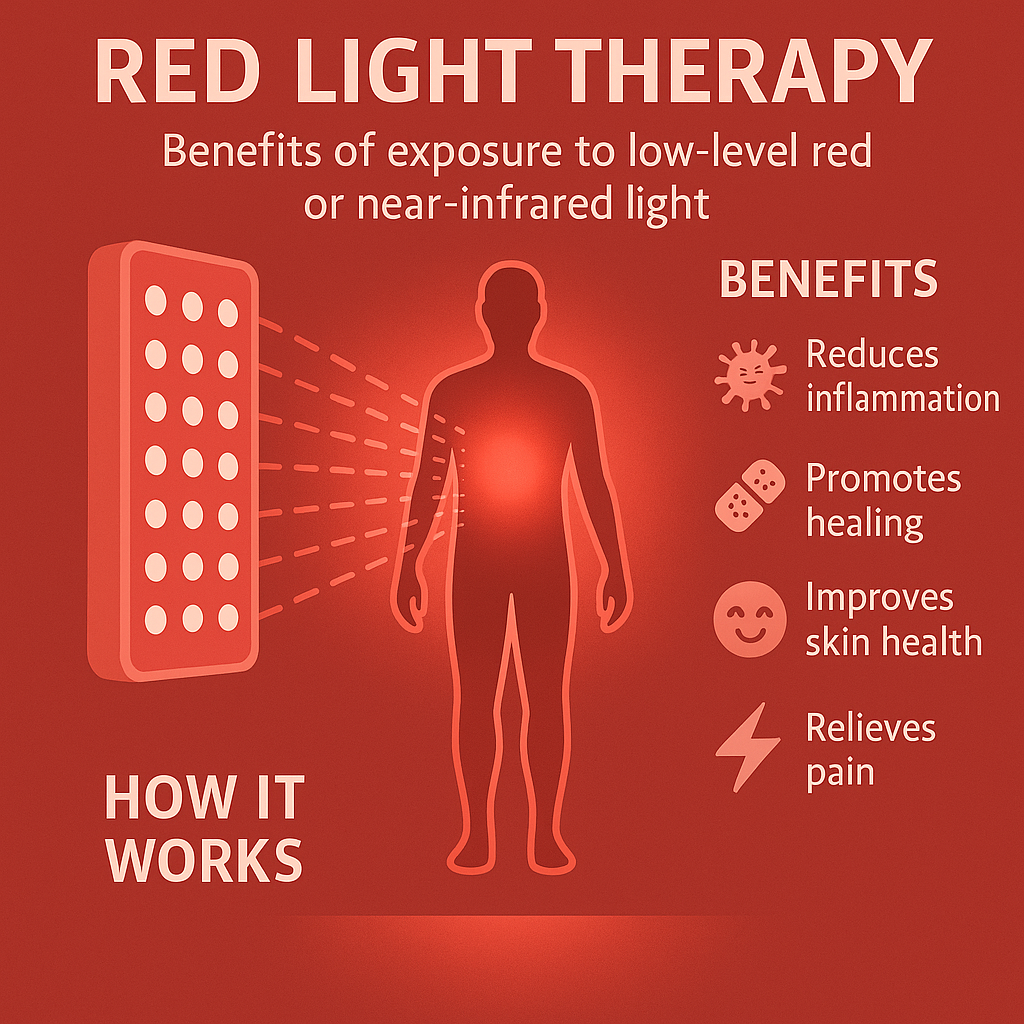
Red light therapy involves the use of low-level red light wavelengths emitted directly through the skin.
Unlike more intense forms of light treatments such as laser or UV, RLT doesn’t cause any harm to the skin surface. According to a study published in the Journal of Photochemistry and Photobiology B: Biology, RLT aids cellular function and can result in healthier skin cells, promoting healing and alleviating inflammation.
WHAT IS RED LIGHT THERAPY GOOD FOR?
Backed by a growing body of research, RLT is proving its mettle in a range of applications, from skincare rejuvenation, mitochondrial repair, wound healing to tackling depression.
SKIN HEALTH AND ANTI-AGING
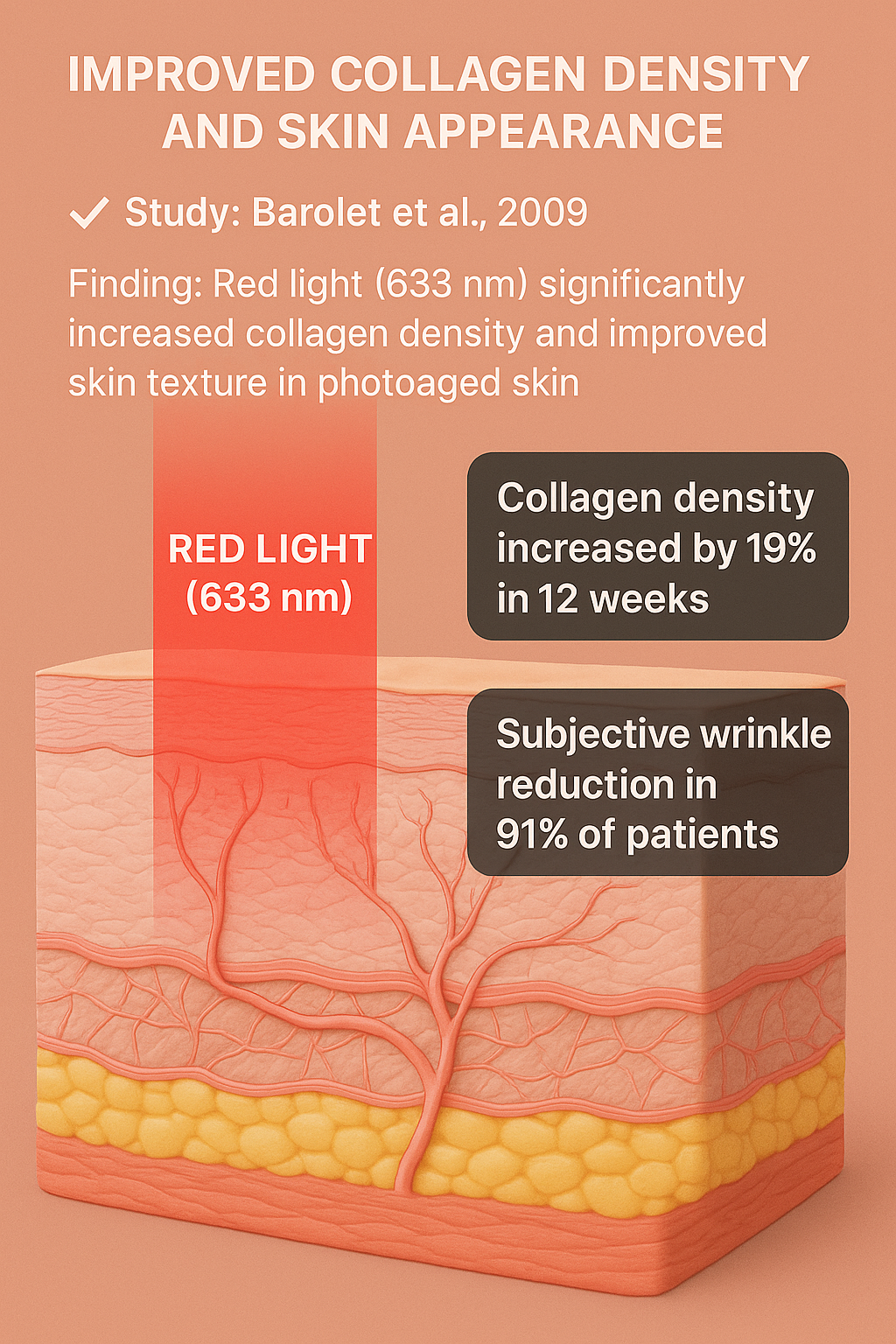
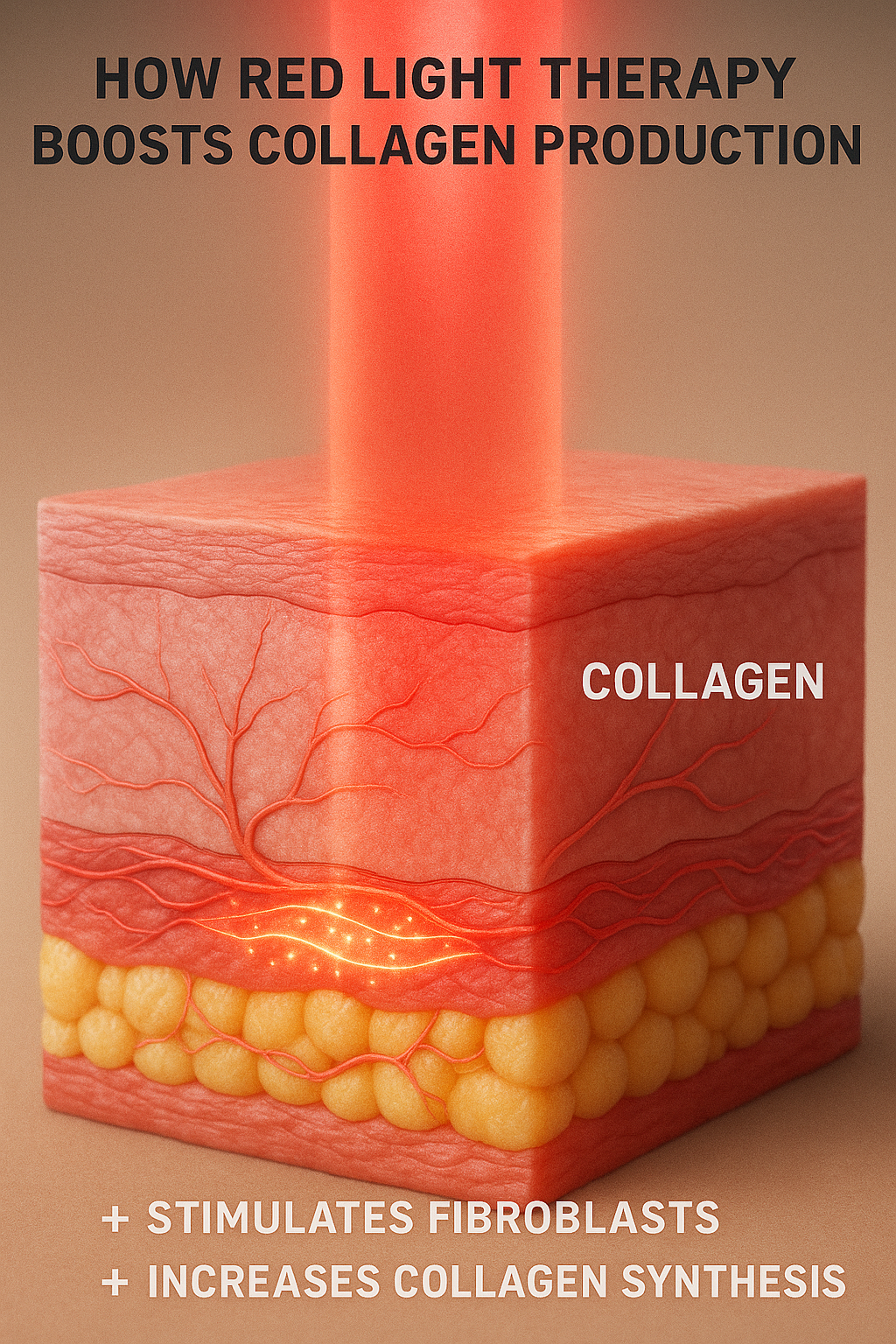
One of the most well-known benefits of RLT is its potential to rejuvenate the skin. A study in the Journal of Clinical and Aesthetic Dermatology found that subjects exposed to RLT experienced significantly improved skin complexion and increased collagen.
WOUND HEALING
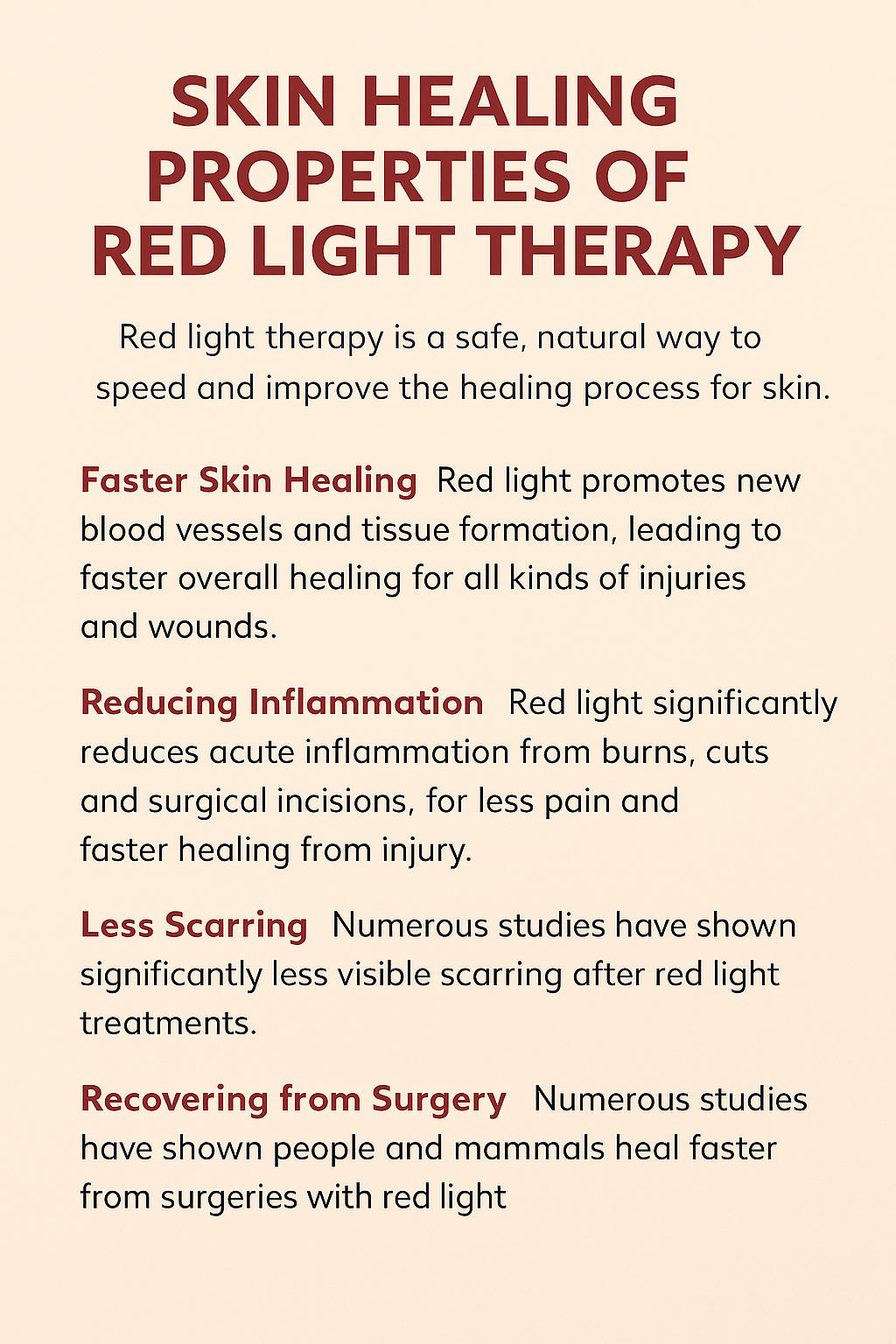
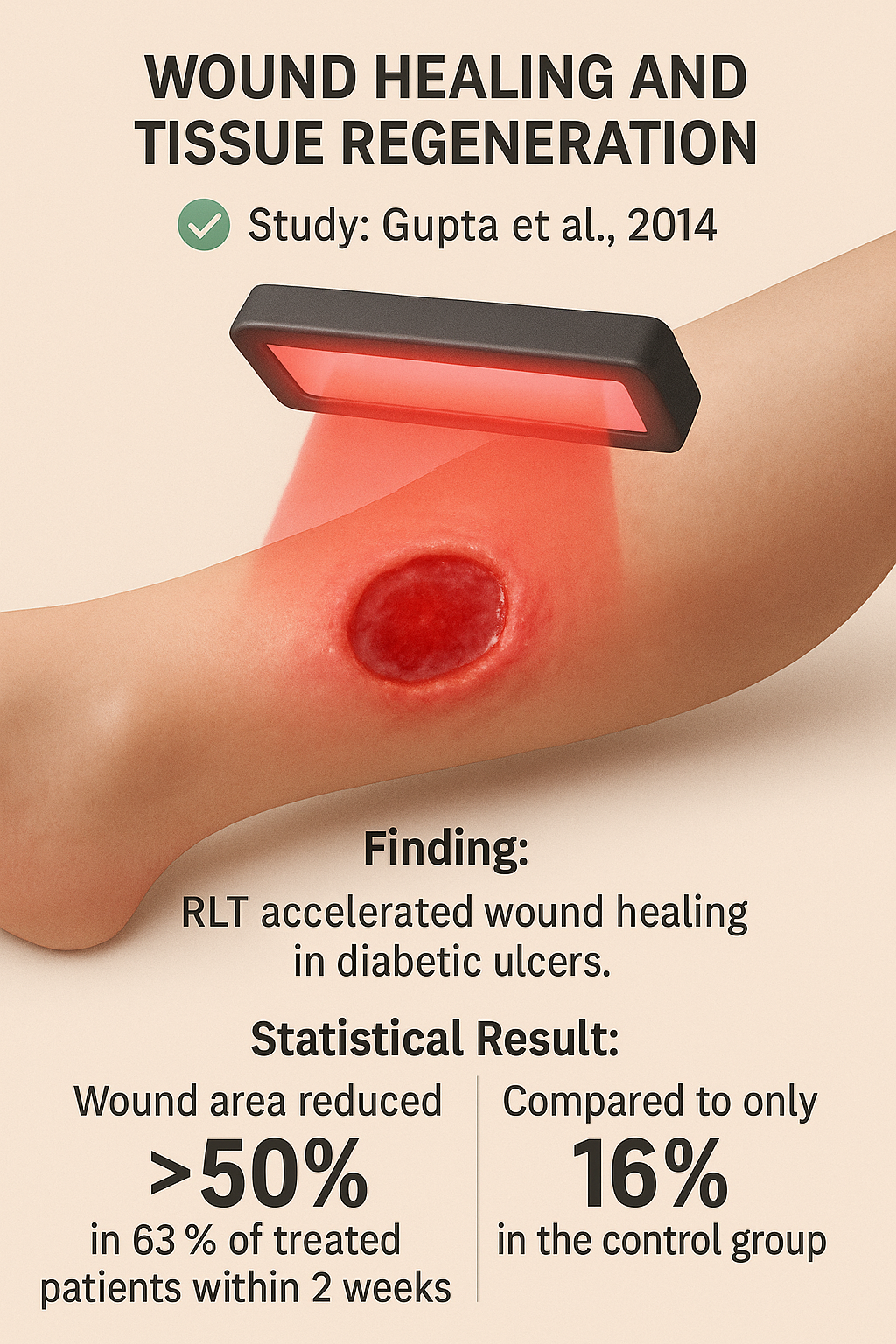
Red light therapy has been observed to accelerate the body's natural healing processes. Peer reviewed studies show how RLT can enhance the proliferation of fibroblasts and collagen, crucial for wound healing.
MUSCLE RECOVERY AND PERFORMANCE
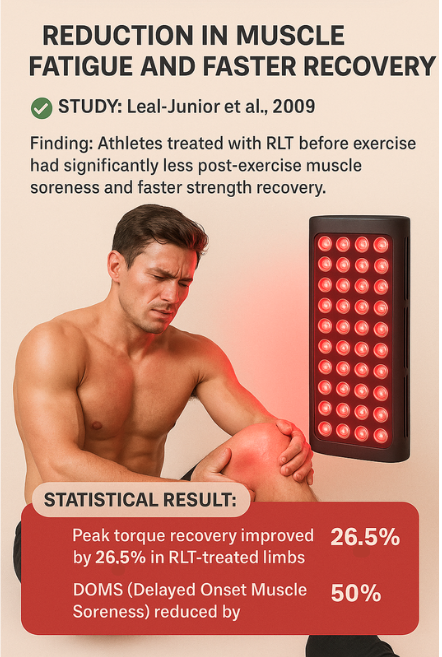
Athletes might find RLT especially interesting. A study showed that RLT could reduce muscle fatigue and soreness post-exercise, potentially aiding faster recovery.
PAIN AND INFLAMMATION REDUCTION
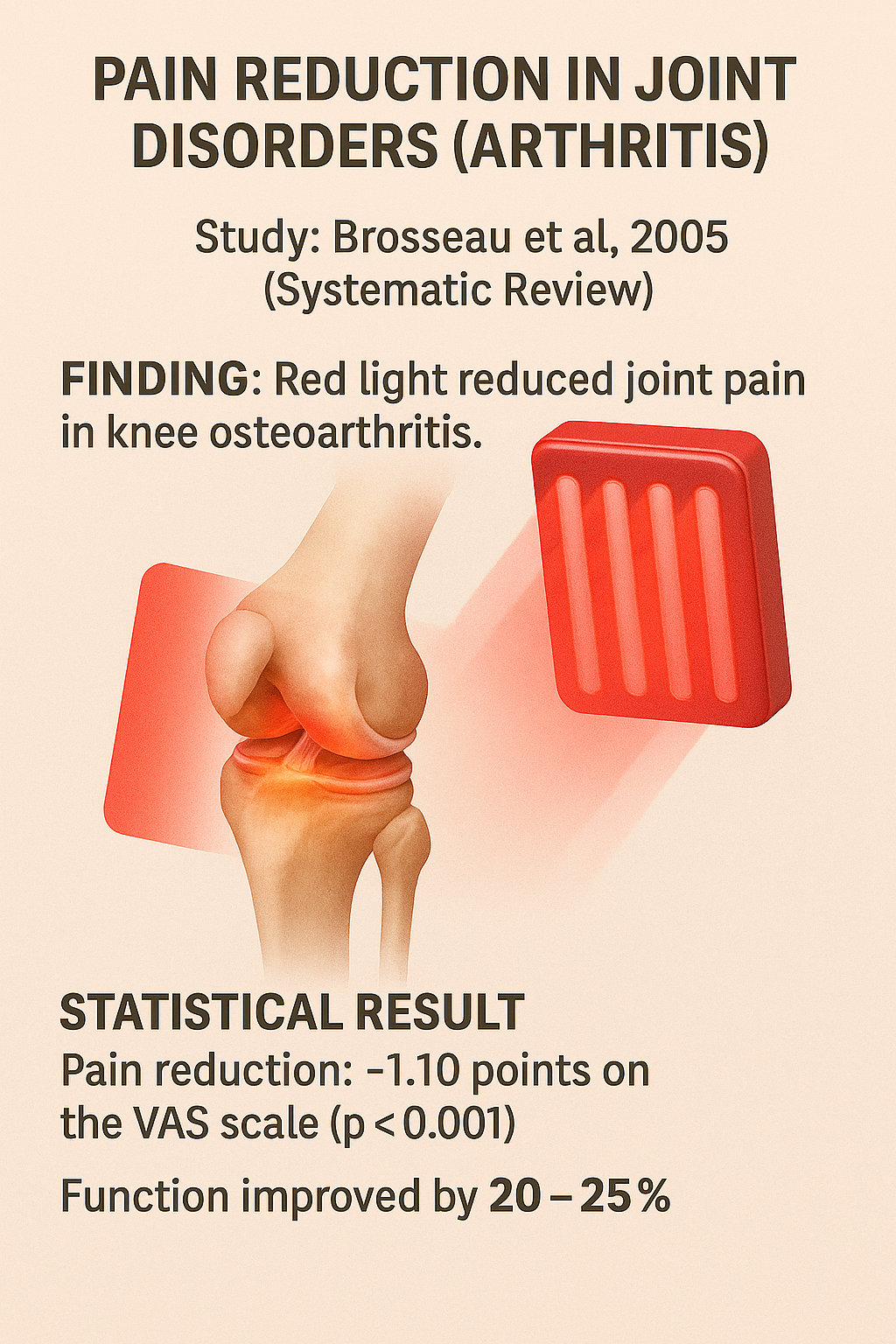
Chronic conditions such as rheumatoid arthritis and osteoarthritis can be debilitating. The Lasers in Medical Science journal published research indicating RLT's potential to reduce pain and inflammation in such conditions.
HAIR GROWTH
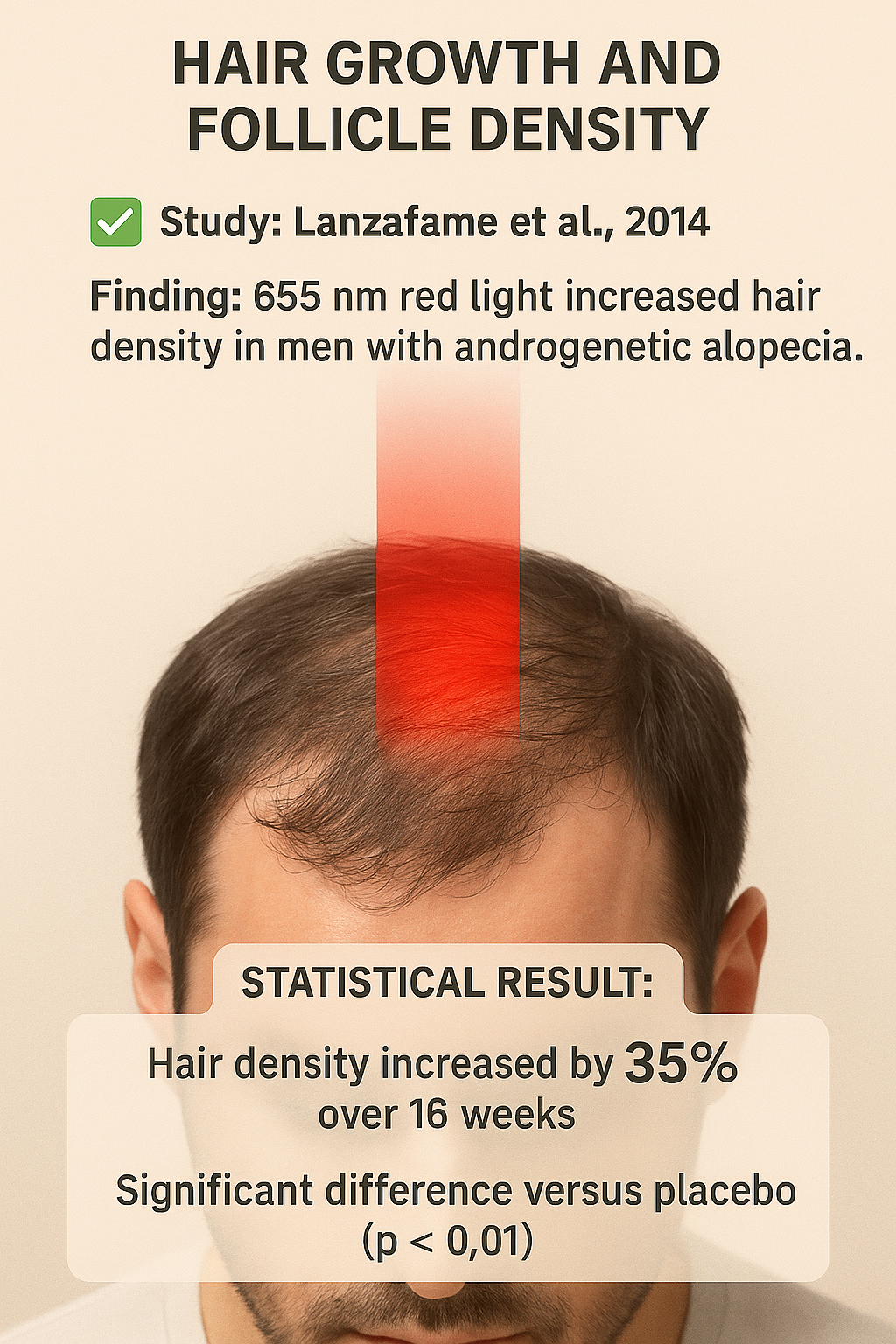
Those battling with alopecia (hair loss) might find hope in RLT. Research in the Lasers in Surgery and Medicine journal showed that RLT could stimulate hair follicles, promoting growth in individuals with androgenic alopecia. This treatment will not grow hair back like the ads on social media indicate. It will stimulate new hair growth
MOOD AND SLEEP ENHANCEMENTS
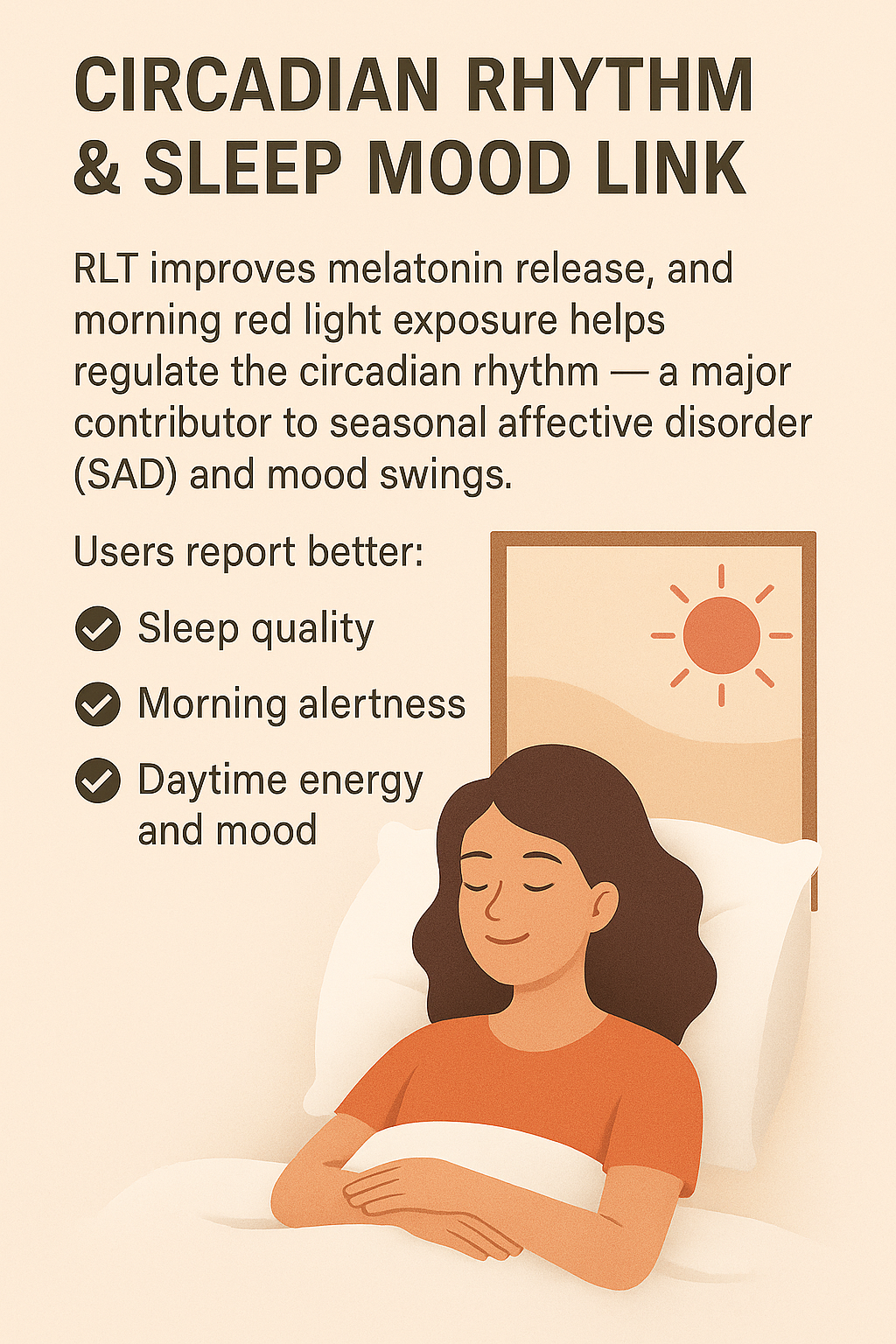
RLT might also be beneficial for those grappling with sleep disorders or mood imbalances. A study in the Journal of Affective Disorders points to RLT's potential in improving sleep quality and mood by influencing circadian rhythms and melatonin production.
SAFETY AND SIDE EFFECTS
Like any treatment, RLT is not devoid of side effects, though they are generally minimal. Users might experience mild irritation or redness, but significant adverse effects are rare. However, it's crucial to use RLT devices that adhere to the recommended guidelines and seek consultation from professionals before starting the therapy.
Red light therapy is continuously evolving, with ongoing research uncovering even more potential benefits. From boosting skin health to improving mood, RLT offers a promising non-invasive alternative for those seeking natural solutions for various health and aesthetic concerns.
As always, those interested should consult with healthcare professionals and ensure they are using safe and approved devices.
The Deep Dive
Are you interested in getting your own professional grade Red Light Lamp?
If so we can supply you with the same lamp we use with our patients in our own clinic.
The light sources are: 660nm and 850nm distributed over 18 LEDS.
You can click below to order the light, we will send one to your home.
The cost to own is $150 and includes courier fees.
FAQs
-
No - it is lower cost for you to purchase your own red light lamp, and use it at your convenience, than to visit our clinic and pay for individual sessions. You can purchase a red light lamp on this page. Just scroll up. Then contact us and we will teach you how to get the most from your own light.
-
Based on our research and in clinic use, our answer to this is no.
By using one lamp, like the one we recommend above, you can get the full benefit of using Red Light Therapy.
You do not need to spend on special equipment, or spend thousands of dollars to get the best outcome.
We have bought:
4 red light hats,
3 red light wearables,
4 lamps,
1 red light torch,
1 pair of red light glasses and
1 red light panel,
plus we have tested other peoples red light hand held devices and their red light beds.
We have invested into trialling many different units, so you do not have to.
-
You can spend zero, if you get up early and spend 30 minutes in the morning as the sun comes over the horizon.
If that’s not possible, with our deal above, you do not have to spend more than $100.
You can spend more, but you might not get the dosage and light you require for effective results.
Plus, with many of the equipment we have tested, the strength of the light provided, is in our opinion, far too high, so much so, that you may actually get no benefit from using the expensive equipment you have purchased, other than a placebo benefit.
-
We use red light therapy prior to HBOT or IHHT sessions.
This is included as part of our sessions as standard.
Most patients will end up wanting to get their own lamp for use at home on a regular basis.
We recommend the lamp above just to ensure all people can have access to a light that is proven and tested by ourselves, to work.
-
So far we can say, positive results have been observed for everyone we have tested it on.
99% of the people we have tested it on are also taking hyperbaric / IHHT therapies, so this may skew results in a positive direction as well.
-
We are currently using / testing a device that does exactly this, we are interested to see what the results show us.
If you want to become part of out test subjects on this, please contact us.
Research Studies
1. Mechanisms and Applications of the Anti-inflammatory Effects of Photobiomodulation
Author: Hamblin, M. R.
Year: 2017
Summary: Demonstrated how red and near-infrared light reduces inflammation via mitochondrial modulation and cytokine signalling.
2. Photobiomodulation Improves Cognitive Function in Older Adults
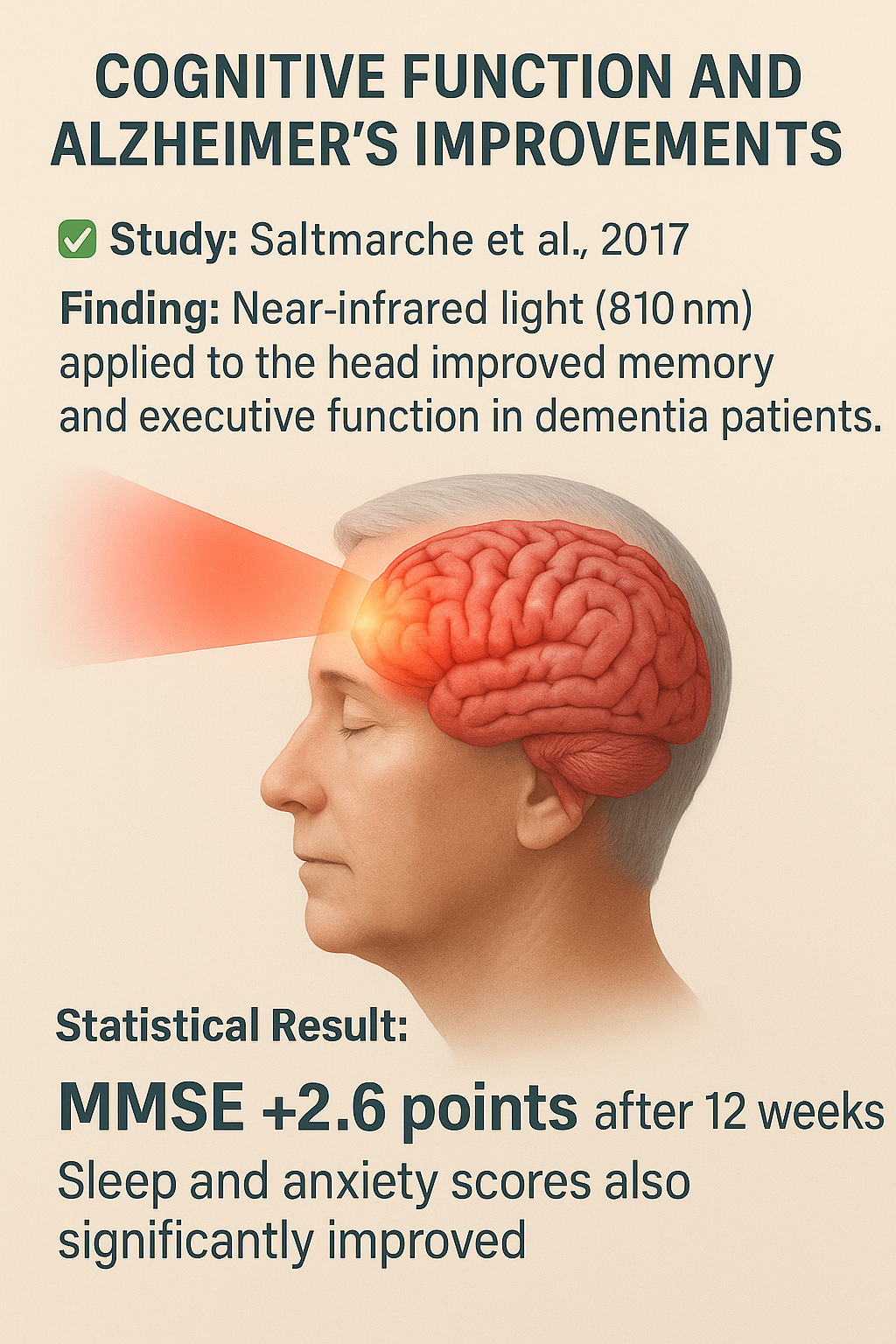
Authors: Saltmarche, A., Naeser, M. A., Ho, K. F., et al.
Year: 2017
Summary: Near-infrared light applied to the skull improved cognitive test scores, sleep, and anxiety in elderly patients with dementia.
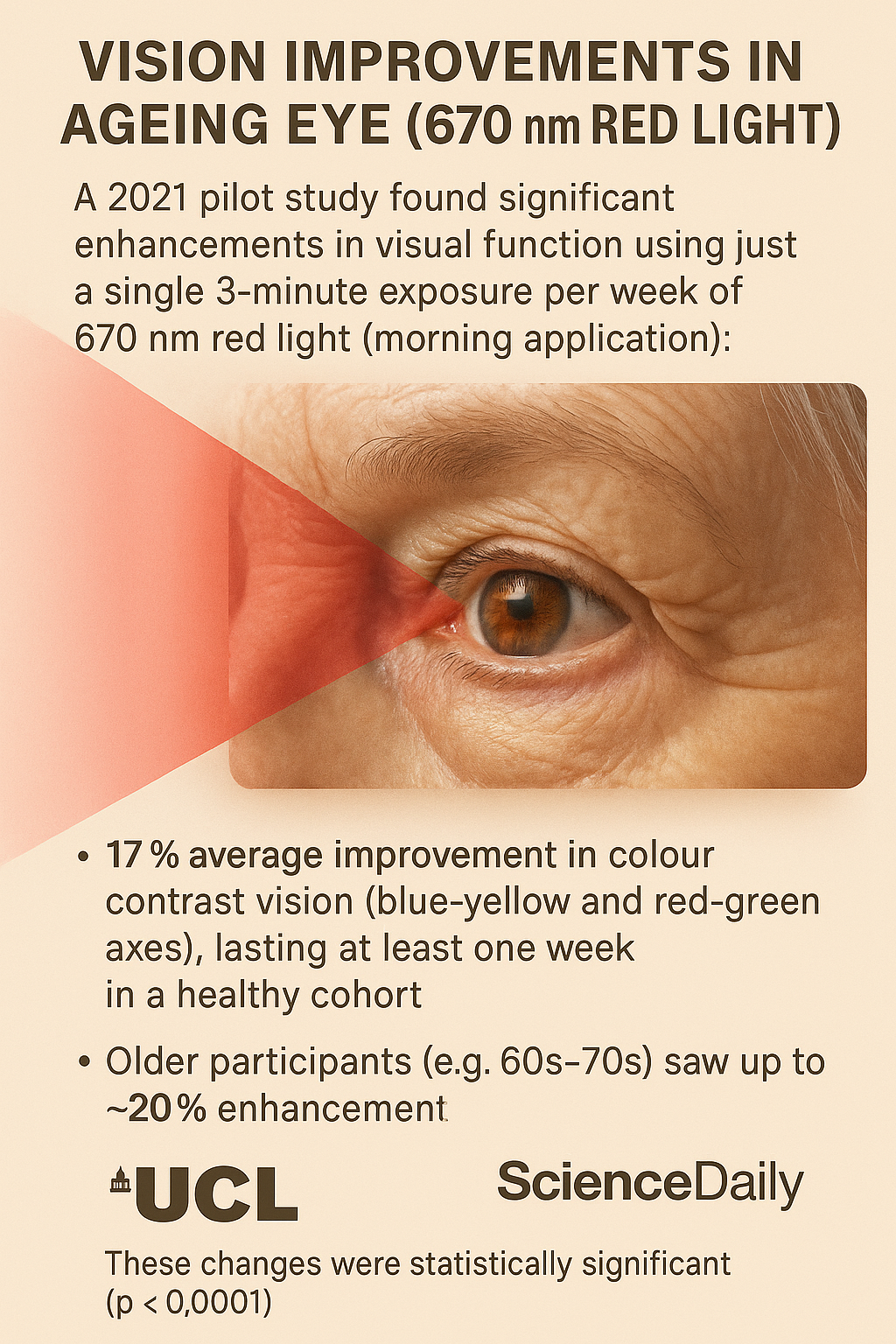
3. Low-level Light Therapy Improves Vision in Ageing Adults
Author: Jeffery, G. (University College London)
Year: 2021
Summary: A single three-minute exposure to 670 nm red light improved colour contrast sensitivity by up to 20% in older adults.
4. Low-level Light Therapy for Depression
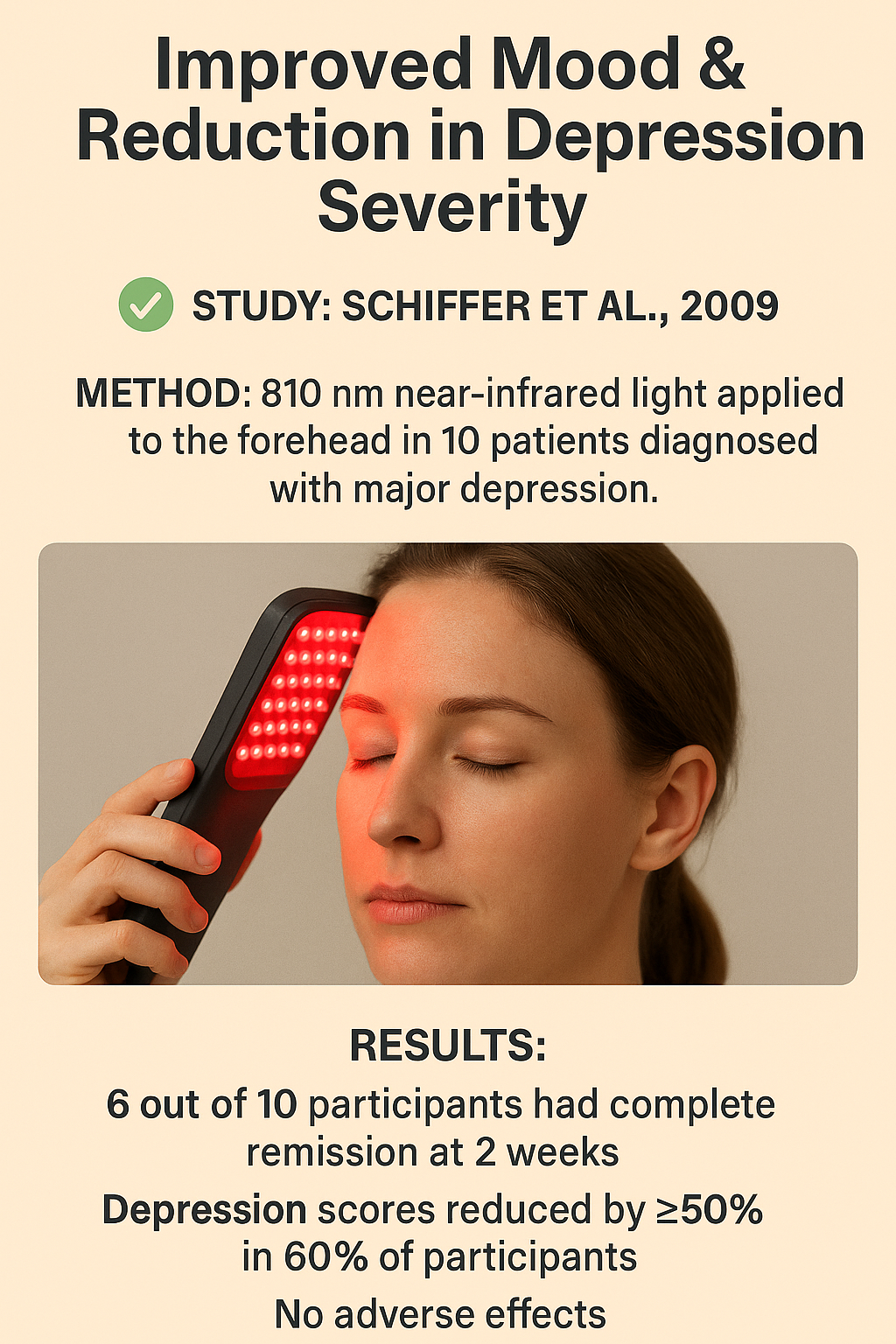
Authors: Schiffer, F., Johnston, A. L., Ravichandran, C., et al.
Year: 2009
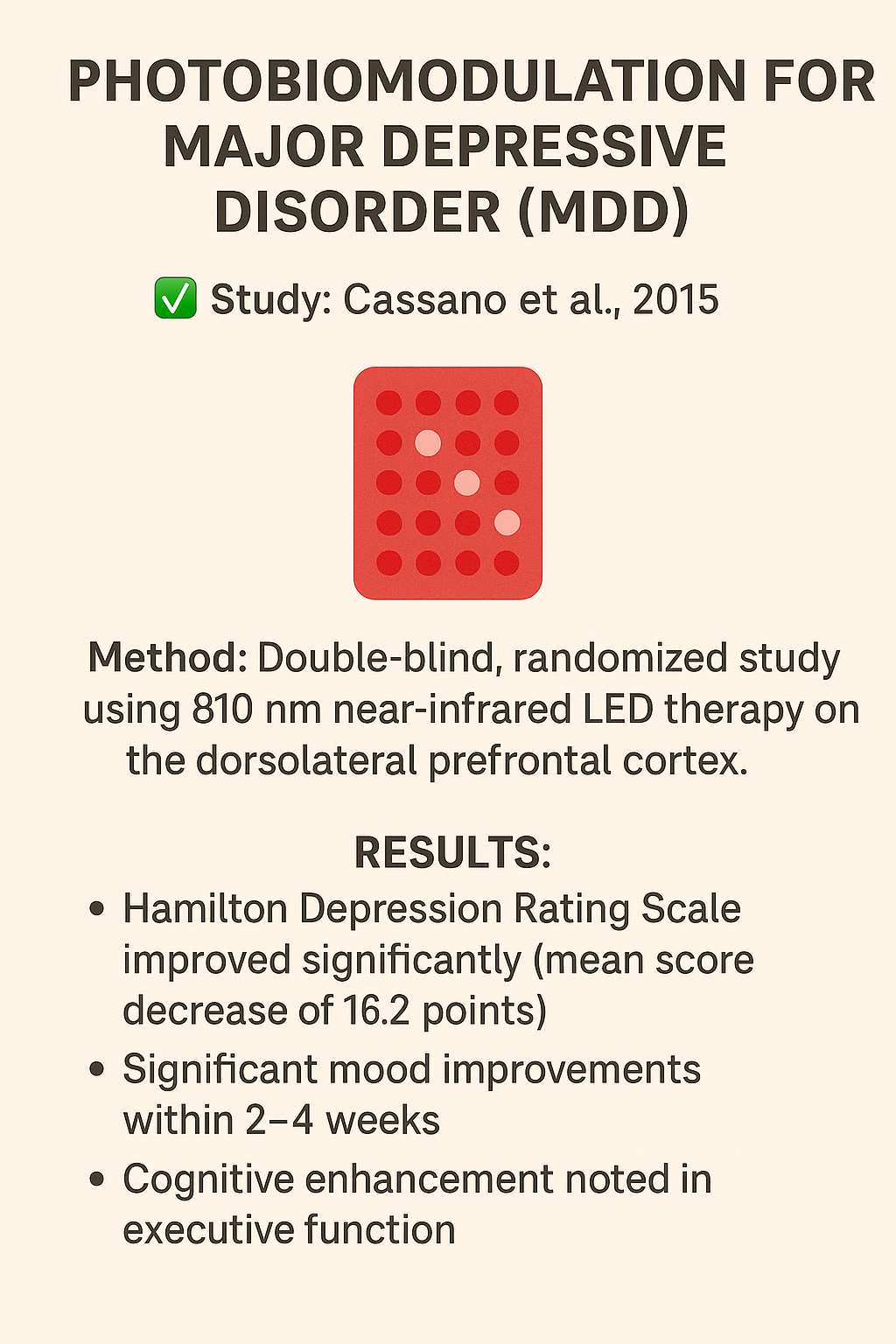
Summary: Forehead application of 810 nm near-infrared light resulted in complete remission of depression in 60% of study participants within two weeks.
5. Near-infrared Transcranial Photobiomodulation in Major Depression
Authors: Cassano, P., Petrie, S. R., Mischoulon, D., et al.
Year: 2015
Summary: A double-blind, randomised trial showed a significant 16.2-point drop in Hamilton Depression scores using 810 nm light therapy.
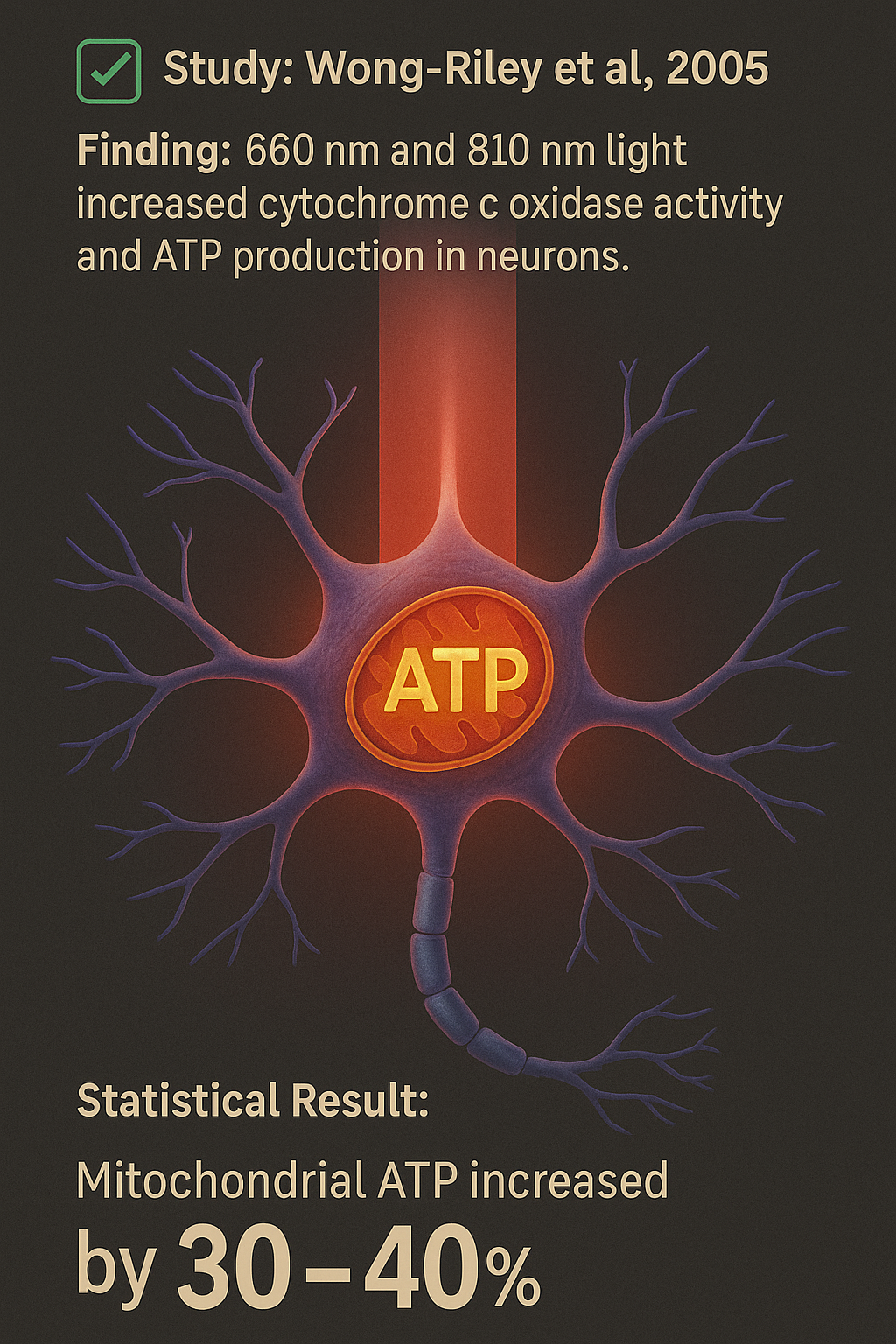
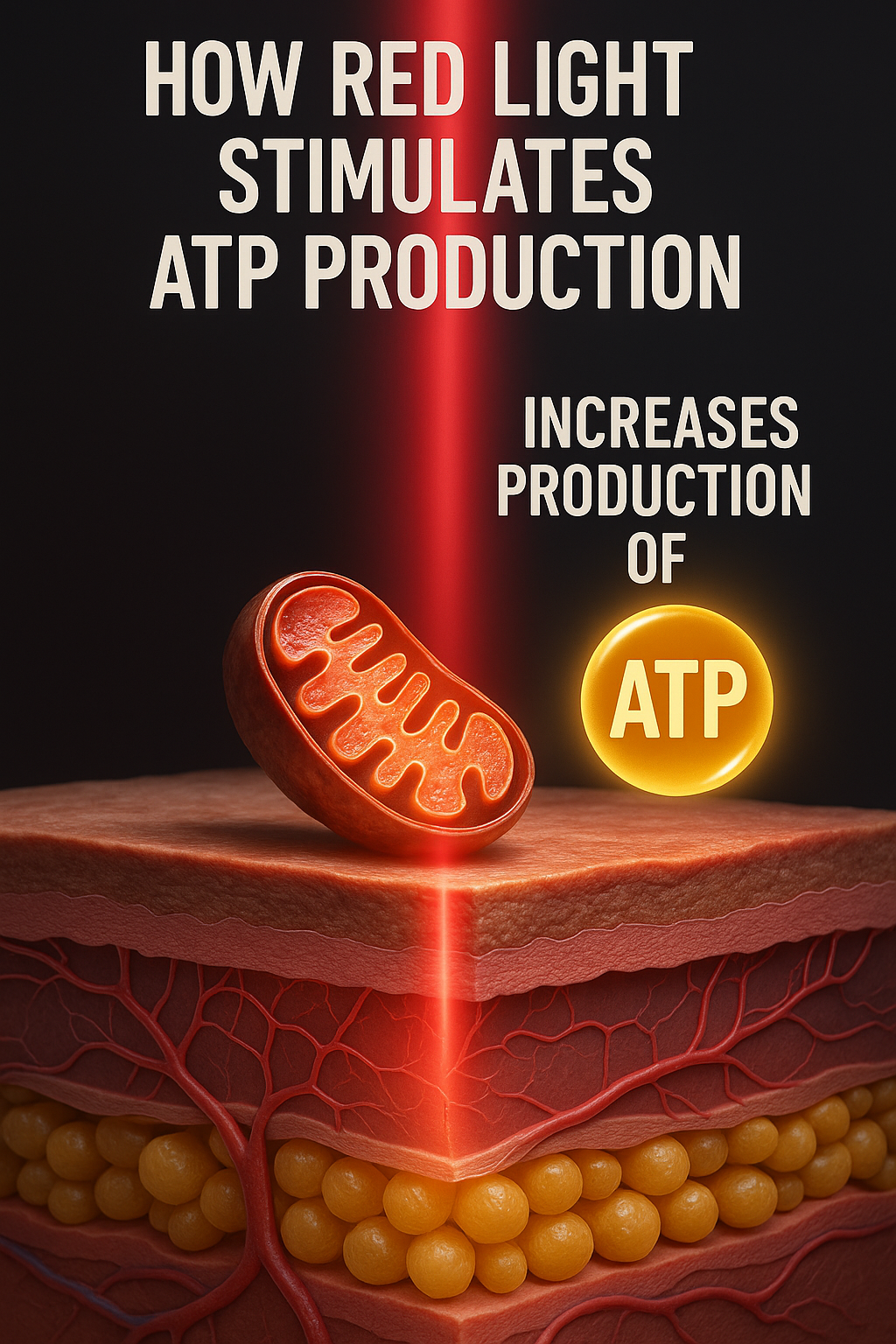
6. Photobiomodulation Improves Mitochondrial Function
Authors: Wong-Riley, M. T. T., Liang, H. L., et al.
Year: 2005
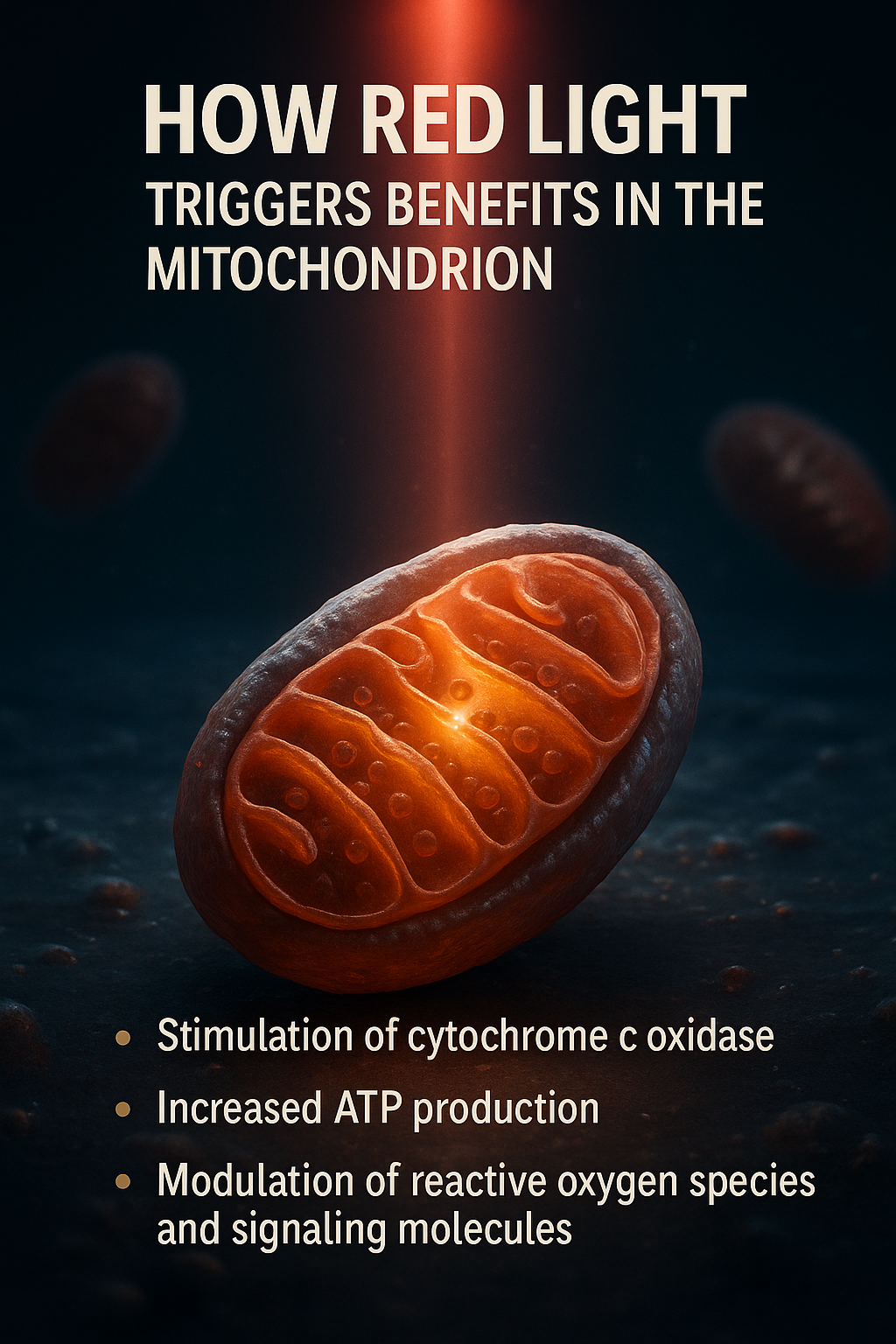
Summary: Red and near-infrared light increased ATP production by up to 40% and supported neuron survival under metabolic stress.
7. Photobiomodulation for Traumatic Brain Injury
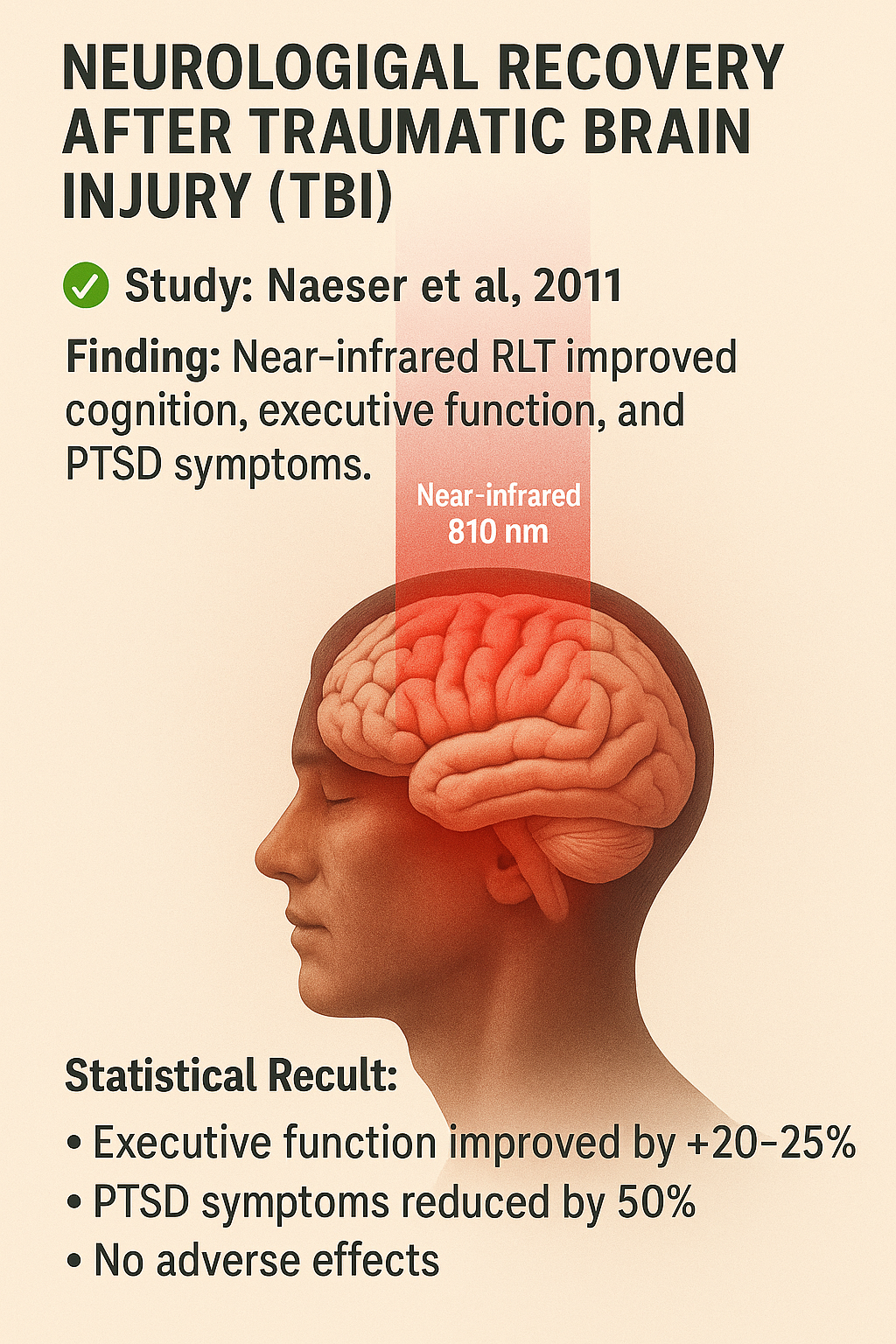
Authors: Naeser, M. A., Zafonte, R., Krengel, M. H., et al.
Year: 2011
Summary: Near-infrared light improved cognitive function and reduced PTSD symptoms by 50% in patients with traumatic brain injury.
8. Anti-aging and Rejuvenating Effects of Red Light on the Skin
Authors: Barolet, D., Boucher, A.
Year: 2009
Summary: 633 nm red LED light therapy increased collagen density by 19% and reduced wrinkle visibility in photodamaged skin.
9. Low-level Laser Therapy for Muscle Performance and Recovery
Authors: Leal-Junior, E. C. P., Lopes-Martins, R. A. B., et al.
Year: 2009
Summary: Red light therapy reduced delayed onset muscle soreness by 50% and increased peak torque recovery by 26.5% in athletes.
10. Photobiomodulation for Diabetic Ulcer Wound Healing
Authors: Gupta, A., Dai, T., Hamblin, M. R.
Year: 2014
Summary: Red light therapy resulted in over 50% wound area reduction in 63% of diabetic ulcer patients after just two weeks of treatment.
11. Red Light Therapy for Androgenetic Alopecia
Authors: Lanzafame, R. J., Blanche, R. R., Bodian, A. B., et al.
Year: 2014
Summary: 655 nm red light treatment led to a 35% increase in hair density in men with pattern hair loss after 16 weeks.
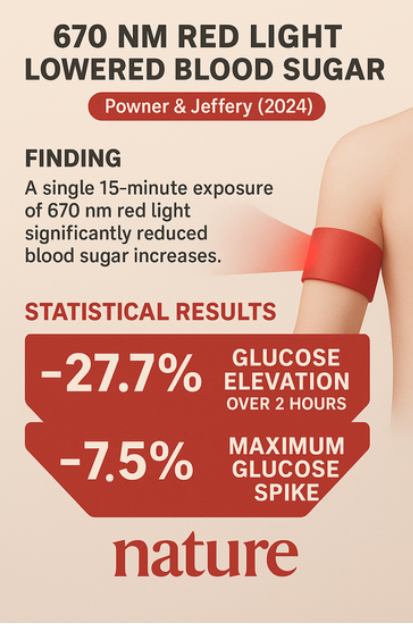
12. Light Stimulation of Mitochondria Reduces Blood Glucose Levels
Authors: Powner, M. B., Jeffery, G.
Year: 2024
Summary: A 15-minute exposure to 670 nm light reduced blood glucose elevation by 27.7% and decreased glucose spikes by 7.5% in human subjects.
13. BDNF Activation through Photobiomodulation
Authors: Salehpour, F., Majdi, A., Pazhuhi, M., Ghasemi, F.
Year: 2019
Summary: Light wavelengths between 660–850 nm upregulated Brain-Derived Neurotrophic Factor (BDNF), linked to neurogenesis and mood enhancement.
14. Light Emitting Diode (LED) Therapy in Rheumatoid Arthritis
Authors: Al-Shenqiti, A. M., Oldham, J. A.
Year: 2005
Summary: Red LED therapy significantly decreased joint stiffness and pain in patients with rheumatoid arthritis.
15. Red Light Reduces Inflammatory Markers in Muscle Tissue
Authors: Tomazoni, S. S., et al.
Year: 2016
Summary: Red light application following exercise decreased pro-inflammatory cytokines such as TNF-α and IL-6 in muscle tissue.